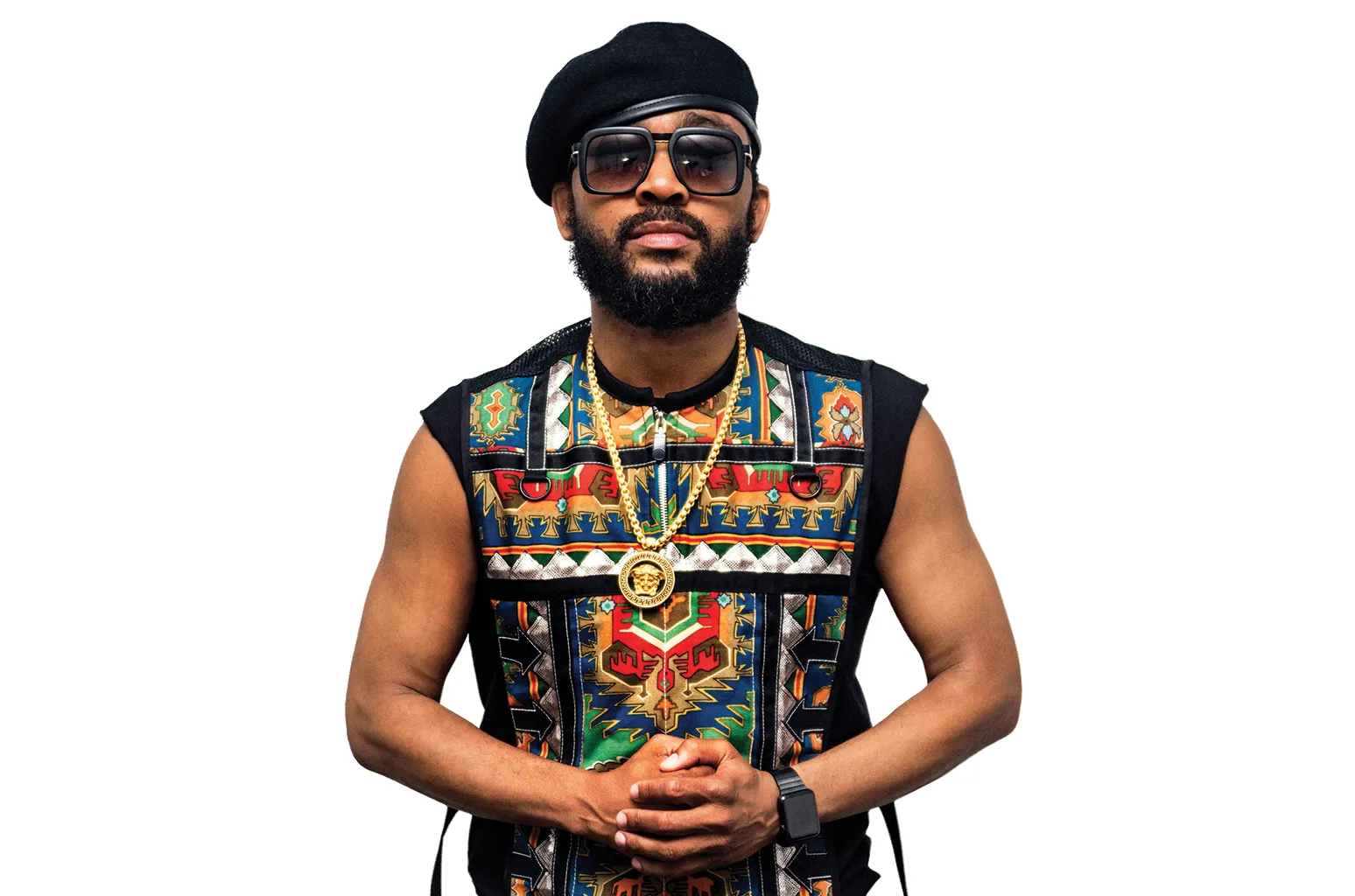
Machel Montano was seven when he first hit the stage in 1982. More than four decades later, Brooklyn Public Library is dedicating an exhibition to the life he has built since. "Journey of a Soca King: The Exhibition" opens August 22 at Central Library, created by the Machel Montano Foundation for Greatness, with programming spreading across branches borough-wide.
Costumes, vinyl, and a listening station
The exhibition brings together costumes, trophies, and vinyl from Montano's career, giving visitors something physical to touch rather than a flat timeline on a wall. Central Library's vinyl listening station will let people hear the music in the space, which pulls the show away from museum quiet and toward an active celebration.
His story is hard to compress into one room. He released debut album "Too Young To Soca" in 1985 while still a kid, and it set the pace for decades of soca leadership from Trinidad and Tobago outward. Pushing the genre to global audiences is the thread the exhibition keeps returning to.
"Journey of a Soca King puts Montano's legacy inside a public library, not just a carnival stage."
Why Brooklyn is the right room
Caribbean culture has a deep footprint in Brooklyn, so the venue choice feels deliberate. BPL platforming soca at this scale, with branch programming beyond Central Library, treats the moment as borough-wide culture rather than a niche corner booking.
A public library carries a different kind of authority and access than a concert hall or private gallery. Placing Montano's legacy there puts his contribution on the same shelf, literally and figuratively, as history meant to be preserved and passed down.
Tied to the documentary chapter
The exhibition also connects to the 2026 documentary "Like Ah Boss: Journey of a Soca King," which covers his life and career in longer form. Film plus physical show gives fans and newcomers two different doors into the same story.
Montano has spent a lifetime performing, recording, and representing a genre that still gets uneven mainstream recognition outside carnival season. An exhibition built by his foundation and hosted by one of New York's most visited public institutions pushes back on that quietly and directly.
Timing with summer Caribbean energy
August 22 sits inside the stretch when Caribbean cultural energy in New York runs high ahead of the West Indian American Day Carnival in September. The timing feels less like coincidence and more like part of a larger conversation still being written. For Jamaica, Trinidad, and the wider diaspora in Brooklyn, mark the date, walk through the exhibition, and put the headphones on at the listening station.

