
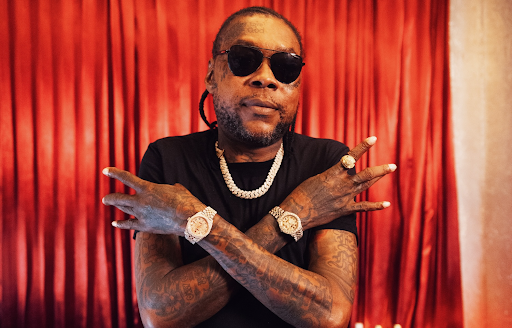
No formerly incarcerated dancehall artist has ever received a national honour in Jamaica. That fact alone makes any talk of Vybz Kartel joining that list feel like a stretch, yet some of the country's most respected cultural voices are not rushing to shut the door.
Why the question is live again
Kartel, born Adidja Palmer, walked free in 2024 after the UK-based Privy Council quashed his murder conviction. Prosecutors did not pursue a retrial, closing a legal chapter that had kept one of dancehall's most dominant figures behind bars for more than a decade. With him free, active, and still shaping the conversation, the honour debate is no longer purely hypothetical.
His global footprint is hard to dismiss. Streaming numbers, influence on younger artists across the Caribbean and beyond, and his role in modern dancehall's sound and aesthetic are all on the record. The real argument is less about cultural contribution and more about how much weight a criminal history still carries with whoever decides these awards.
"I would say it is not an impossibility because I've seen stranger things than that happen."
What the culture experts are saying
Professor Emerita Carolyn Cooper, cultural critic and former UWI professor of literary and cultural studies, framed Kartel as someone known for breaking barriers. Her read leaves room for eventual recognition of a stellar career, even while acknowledging a troubling history.
Musicologist Clyde McKenzie pointed to Buju Banton's post-prison arc as proof that conventional wisdom has a short shelf life in this industry. Buju served eight years before his December 2018 release, then reclaimed standing as one of reggae's most celebrated voices. McKenzie's warning is simple: do not make permanent judgments on situations that are still moving.
Dancehall's growing institutional recognition
The debate sits against a wider backdrop of dancehall finally getting more formal respect. Beenie Man, Bounty Killer, Sean Paul, Shabba Ranks, and Yellowman have all received national honours. This year Clifford "Mr Vegas" Smith is set for the Order of Distinction at King's House in October, alongside other music and entertainment figures including Earl "Chinna" Smith, Wilburn "Stranger" Cole, and Carlyle Palmer of Jet Star Music.
That breadth reflects Jamaica taking the full music ecosystem more seriously, not only the most commercially loud names. It also raises the obvious follow-up: where does a figure like Kartel fit when contribution is huge and history is complicated?
Not urgent, but no longer imaginary
Nobody is claiming an honour is imminent. Cooper and McKenzie are not handing out medals from the sidelines. They are saying the impossible has already happened in this culture more than once, and that Kartel's case should not be dismissed out of hand simply because no formerly incarcerated dancehall artist has crossed that line before.
For Jamaica and the diaspora watching Kartel's return, the conversation itself matters. He is free, recording, performing, and still central to how dancehall sounds in 2026. Whether a national honour ever arrives is a decision for another room. That culture voices are even willing to leave the door ajar tells you how far the debate has already moved.

