
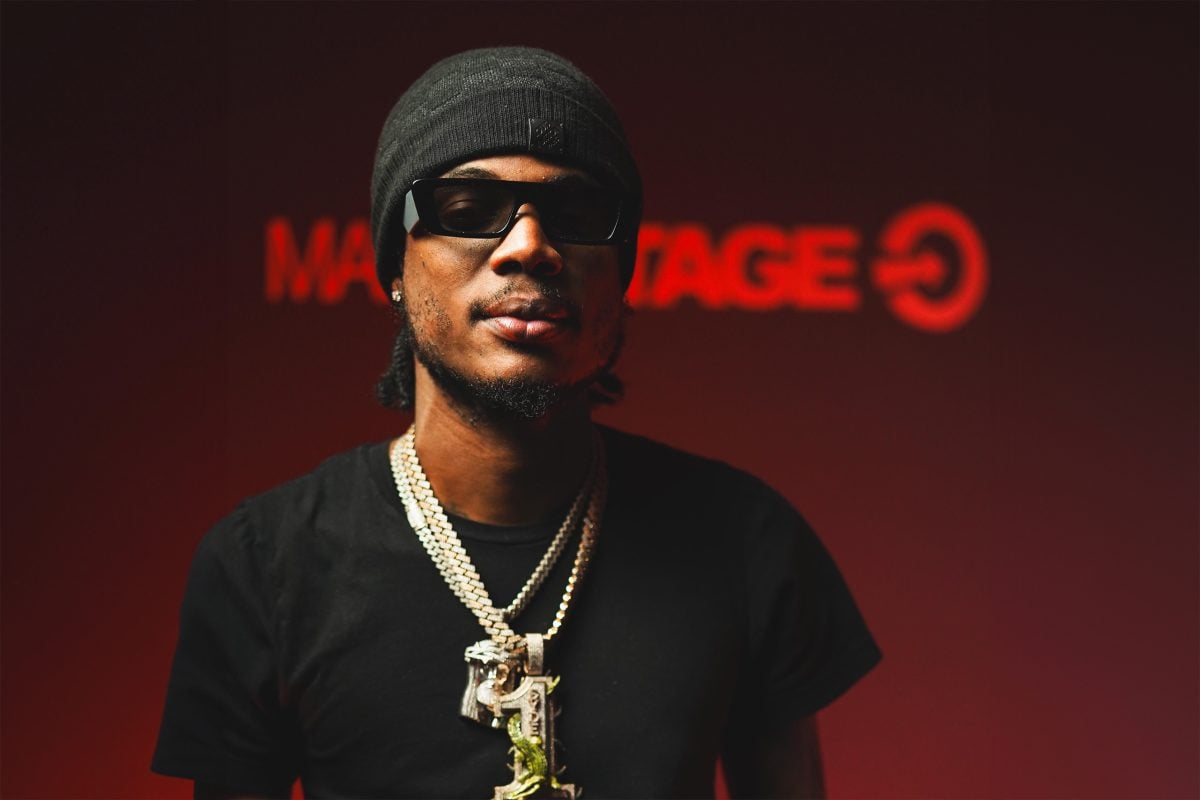
Masicka is not backing down from anything: not the Tommy Lee clash, not the wider conflict with Ghetto Gaza, and not calling himself the greatest of all time. In a new round of comments, he lays out how the beef with Kartel's camp started, and one detail had not been widely told until now.
The birthday invite before the freeze
Before animosity went public, Masicka says people close to Vybz Kartel invited him to a birthday party for Kartel's son. He went out of goodwill, with no financial arrangement attached. That history is why what followed felt personal. When Tommy Lee came at him publicly, Masicka watched where Kartel's side would land. When he felt support leaning toward Tommy Lee, his position hardened.
"From you support Leroy that means you know me have to go at everybody," he said, tying the music and the Instagram energy into one line of loyalty. He was also clear he did not go hunting for war: "Me never look for a fight, but we not going to back down from a fight."
"Me never look for a fight, but we not going to back down from a fight."
Clash culture is in his foundation
Masicka's roots in lyrical combat go back to his earliest days in music. He grew up studying Bounty Killer, Ninjaman, and Supercat, and clash energy was his entry point into dancehall long before mainstream profile arrived. When Tommy Lee called his name publicly, he treated it less like random bait and more like a moment fans had been waiting for.
That framing matters in a scene where sound-system history and modern social media beef often collide. Masicka is presenting himself as someone raised for the mic fight, not someone who stumbled into it by accident. The posture is classic dancehall: if the name gets called, answer it on record and keep moving.
Same sound, all hits, and the GOAT claim
On the criticism that his songs all sound the same, he flipped it without blinking. He hears that talk as people admitting the records are hits, and he credits consistency rather than laziness. "Music is probably one of the easiest things in a my life," he said. "Me effortlessly make music."
The GOAT claim has drawn pushback, and he says he will never walk it back. He pointed to how great figures in sport and music have always spoken about themselves in those terms, and argued self-belief is necessity, not empty arrogance. "Before me even get the work, me always feel like me are the greatest artist," he said. "Me no seek permission or validation from people."
Why he says the clash helped him
Far from damaging his standing, Masicka says the whole episode grew his career "tremendously." He frames clash culture as good for dancehall overall when it stays inside the music: competition pushes artists, energises fans, and keeps the culture loud. With Forever Reign already in motion and his profile still climbing, that read fits the moment he is living in.
For Jamaica and the diaspora, this is Masicka drawing a bright line. He will not soften the GOAT talk, he will not pretend the Kartel-camp history started cold, and he will not treat Tommy Lee calling his name as something to dodge. Watch the records, watch the replies, and expect the self-belief to stay turned all the way up.

