
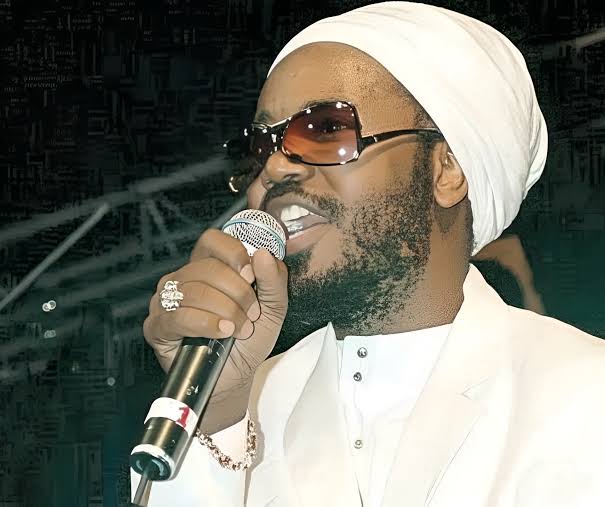
More than two decades after Coolie Dance powered international hits for Nina Sky, Pitbull, Elephant Man, and Mr Vegas, producer Colin "Iley Dread" Levy says he never received a penny from the landmark riddim. The Kings of Kings founder's allegations are unverified, but they reopen an essential dancehall conversation about trust, contracts, publishing, and who gets paid when Jamaican music travels.
A global riddim and a disputed share
Coolie Dance emerged in 2003 from producers Cordel "Skatta" Burrell and his brother Everton "Eva" Burrell while Skatta worked as house engineer at Kings of Kings Studio. Levy says he invested in Skatta and the project and was initially credited as executive producer. He alleges they verbally agreed that Kings of Kings would receive a percentage of publishing, but acknowledges there is no signed royalty split.
"I invested in Skatta. I invested in the project. Unfortunately, I still haven't received anything," Levy said. VP Records later issued the "Coolie Skank" compilation in its Riddim Driven series, but reportedly does not own the underlying composition or publishing. Skatta later partnered with Abood Music, while Reservoir Media reportedly administers publishing rights.
"A lot of us in the early days were thinking more with our hearts than our brains."
The riddim that kept finding new lives
The commercial history explains why the dispute still hurts. Nina Sky's "Move Ya Body" reached No. 4 on the Billboard Hot 100. Pitbull's "Culo" reached No. 32, Elephant Man's "Jook Gal (Wine Wine)" climbed to No. 57, and Mr Vegas' "Pull Up" reached No. 98. Those are rare crossover numbers for one Jamaican riddim.
Its life did not stop in the 2000s. Karol G recently sampled it on "Bby WOW," which reportedly reached No. 29 on the Hot 100 and topped Hot Latin Songs, while the riddim also surfaced in the Netflix comedy "72 Hours." Levy captured that durability sharply: "A cat has nine lives; this riddim has 99 lives."
Trust without paper becomes a warning
Levy says several people have urged him to sue, though he has not decided whether to go to court. He maintains that Skatta verbally promised Kings of Kings a share and that their late publishing associate, RZ Jackson, previously raised the disagreement. Former Kings of Kings investor Debbie Cole also described arranging a meeting between Skatta and VP Records co-founder Chris Chin because she believed a deal needed to be formalized.
The missing written agreement could be a serious obstacle in any legal claim. It is also the most useful lesson for today's producers: studio family, mentorship, and shared ambition do not replace split sheets. Levy says the fallout damaged his reputation because people assumed he earned from the riddim and refused to share, making some artistes reluctant to work on newer projects.
An allegation that still needs an answer
Levy continues to describe Skatta as a son and says he is proud of his success. He also says he still believes the producer will eventually "bless" him with something. That mixture of affection and disappointment makes this more complicated than a simple public feud. It is a claim about recognition, investment, and a piece of dancehall history that kept earning attention worldwide.
There has been no independent verification of Levy's allegations, the precise ownership arrangements were not established in the interview, and efforts to obtain Skatta Burrell's response were unsuccessful. Those qualifications matter. So does the wider warning: when a riddim can generate hits for 23 years, every contributor needs their rights written down before the first forward becomes global business.

